
Claude Opus 5.5 made this.
Try this: Ring the bell, then drag the speed slider.
Made by a Claude Code agent. It wrote the file in one go and never ran or fixed it.
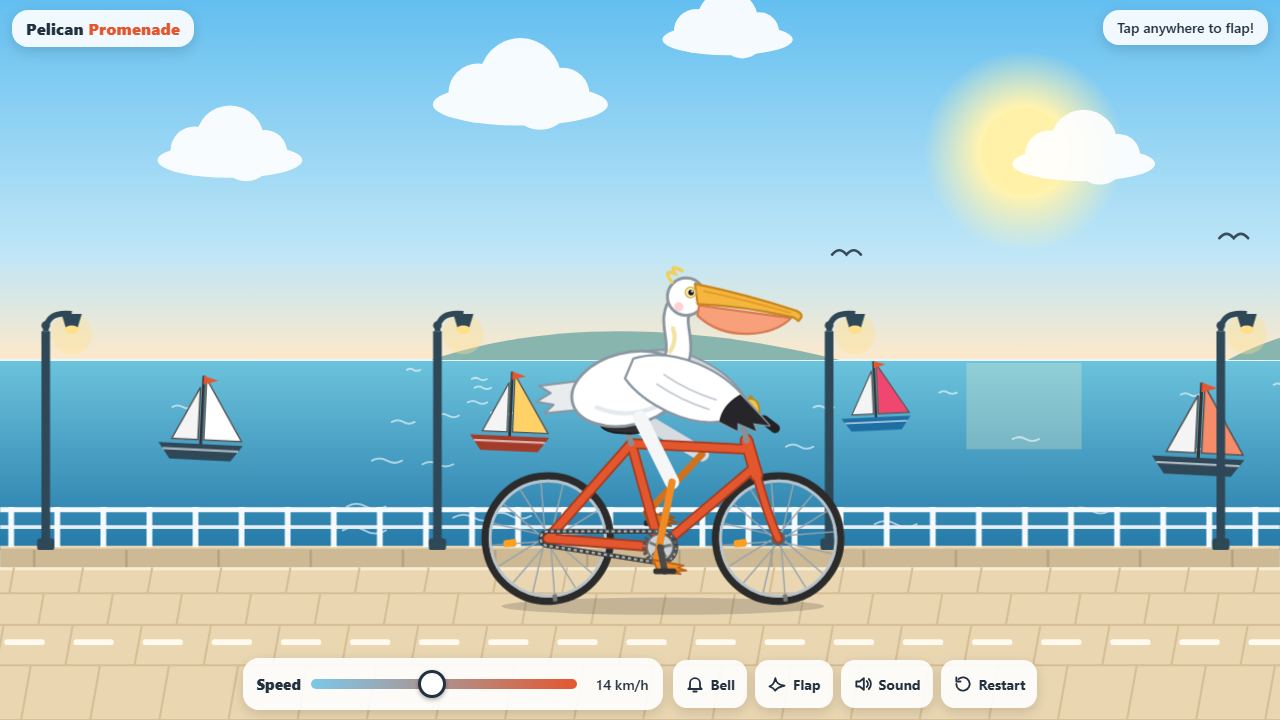
Same prompt, other runs
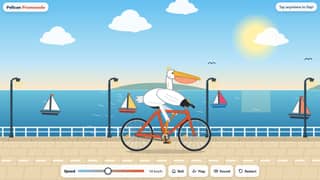 Opus 5.5 Effort: Medium, level 2 of 5
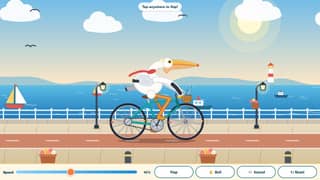 Sonnet 5.5 Effort: High, level 3 of 5
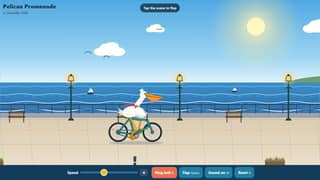 Fable 5.1 Effort: High, level 3 of 5
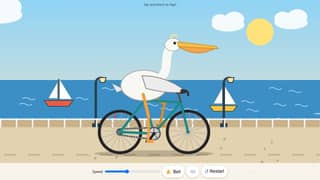 Opus 5.5 Effort: Low, level 1 of 5
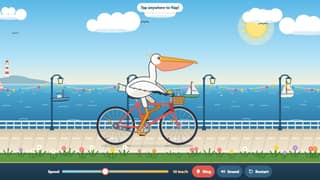 Opus 5.5 Effort: High, level 3 of 5
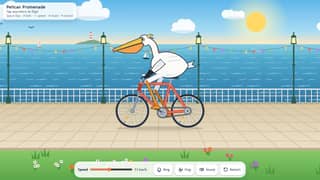 Opus 5.5 Effort: Extra high, level 4 of 5
- Opus 5.5 Effort: Max, level 5 of 5no file
Saved comparisons:Opus 5.5 effort ladder
Receipt
- Made in
- Claude Code
- Paid with
- Claude subscription
- Time
- 8 min 36 s
- Tries
- Try 1 of 2
- Date
- Sep 30, 2026
- By
- a Claude Code agent
Made on a regular paid subscription, not the API.
Tries
- Try 1worksshownCode of try 1
- Try 2brokenCode of try 2
How it was made
Each try was made the same way: a Claude Code subagent running Claude Opus 5.5 at medium effort got only the prompt, pasted as is, and wrote index.html in a single step, without opening or testing it. Nobody edited the files.
Why there are two tries: on Oct 1, 2026 the build workflow restarted after a session limit and ran this prompt a second time, overwriting the first file. Before the site was published, its data listed only try 2, as if it were the only one. Try 1 was recovered byte for byte from the session logs on Nov 11, 2026.
Try 2 is broken; try 1 works, so try 1 is the one shown.
- Try 1: Recovered byte for byte from the session logs on Nov 11, 2026. Checked that day in a headless browser: no console errors, renders on desktop and phone.
- Try 2: Accidental second try (the workflow restart). Crashes on start ("frame is not a function"): the scene is drawn once and never moves.
How it was checked
- Console errors
- none
- Links and libraries
- all allowed
- Hands-free demo
- yes
- Phone check
- 390x844
- Libraries it loads
- none
What the AI says it built
A single index.html file with an animated SVG scene drawn in plain JavaScript. A white pelican rides a diamond-frame bicycle with a stretchy, spring-driven throat pouch. Its webbed feet are placed on the pedals using two-joint inverse kinematics, and its black wing tips hold the handlebars. The wheels, cranks, chainring, chain links and legs are all driven from the distance travelled, so the wheels roll without slipping against the bike-lane dashes. Seven seeded scenery layers scroll at different speeds: clouds and birds, islands with a lighthouse, waves, bobbing sailboats, the railing and lampposts, and the promenade. The page also has a speed slider, a synthesized two-strike bell with a speech bubble, a one-time wing flap with feathers (tap anywhere), mute, restart, keyboard shortcuts, a 20-second #demo loop with a visible pointer, automatic quality lowering, and the ready postMessage.
What it says it could not check
This was a one-shot run and the file was never opened or tested, so layout, timing and visual details are unverified. The chain is drawn with two straight runs joined by arcs, which approximates the true tangent lines. The far leg uses the same hip point as the near leg. The quality fallback only hides decorative elements and stops the boat bobbing. The bell does not sound during demo mode until the user taps, because audio may only start after a tap. If the first wing flap is triggered by a keypress before any tap, no sound plays until the next input unlocks audio.
The benchmark
Pelican on a Bike
The classic: an animated SVG pelican pedaling a bicycle that really works.
I keep the exact prompts private for now.
Every AI on this benchmark